
Gopher Ordnance Works
Operated by E.I. du Pont de Nemours and Company, the facility was designed to produce smokeless gunpowder and included 858 buildings spread over 11,000 acres

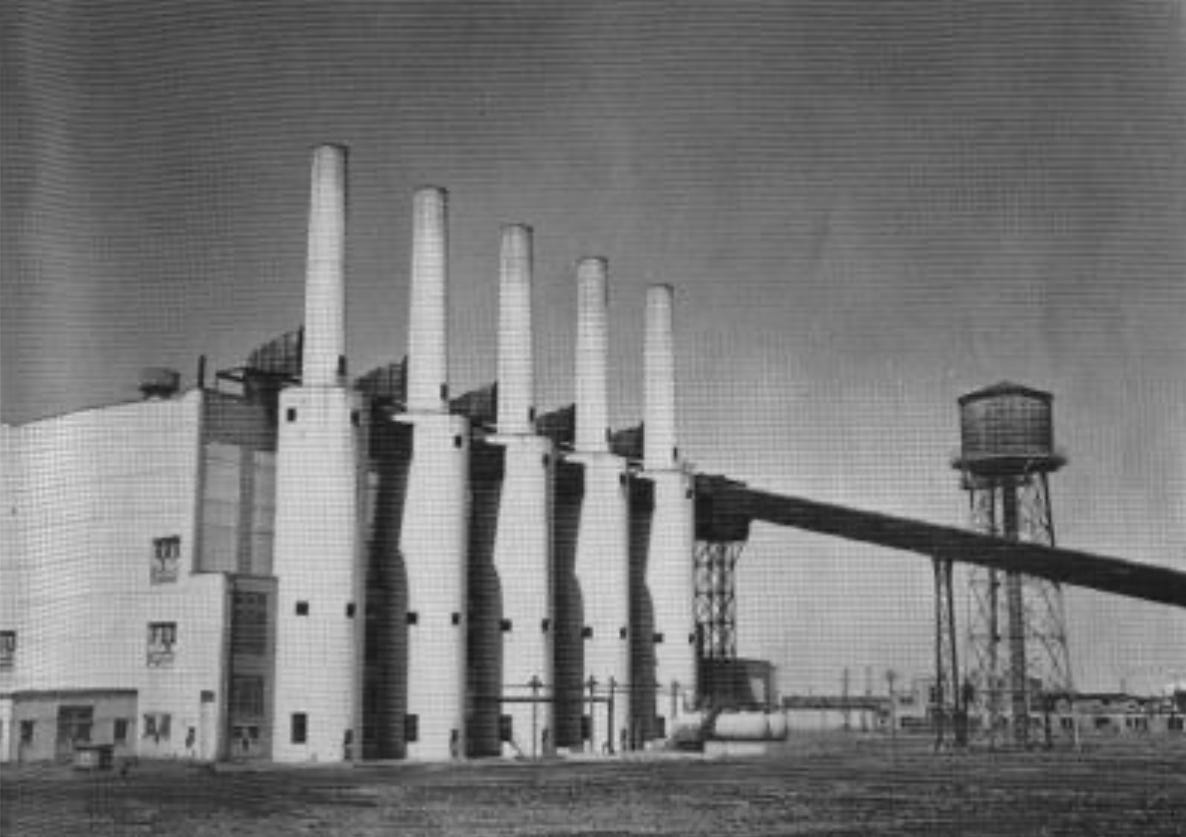
The Gopher Ordnance Works (GOW) in Rosemount, Minnesota, stands as a significant yet often overlooked chapter in the state's World War II history. Constructed rapidly during the war, it was part of a national effort to bolster munitions production.
Wartime Origins
In 1942, the U.S. government acquired approximately 13,000 acres of farmland in Dakota County, displacing over 80 families to build the Gopher Ordnance Works. Operated by E.I. du Pont de Nemours and Company, the facility was designed to produce smokeless gunpowder and included 858 buildings spread over 11,000 acres. Despite the massive scale, the plant became operational in January 1945 and ceased operations by October of the same year, as World War II drew to a close.
Post-War Transition
Following the war, in 1947-1948, the federal government transferred about 7,686 acres of the GOW site to the University of Minnesota. The university utilized the land for various purposes, including agricultural research and as a site for the Rosemount Research and Outreach Center. The area, now known as UMore Park, has also been used by tenants for agricultural, industrial, and commercial activities.
Environmental Concerns
Decades after its closure, environmental assessments revealed contamination issues at the former GOW site.Investigations identified pollutants such as arsenic, mercury, cadmium, lead, polycyclic aromatic hydrocarbons (PAHs), polychlorinated biphenyls (PCBs), and dinitrotoluene (DNT) in the soil. While immediate health risks were deemed low, concerns remained about long-term exposure and groundwater contamination. The Minnesota Department of Health and the Minnesota Pollution Control Agency have been involved in ongoing evaluations and remediation efforts.
Redevelopment and Preservation
In recent years, the University of Minnesota has explored redevelopment plans for UMore Park, including proposals for residential housing and commercial spaces. A 435-acre portion of the site was sold in 2022, paving the way for the development of approximately 2,000 new homes and a new elementary school.
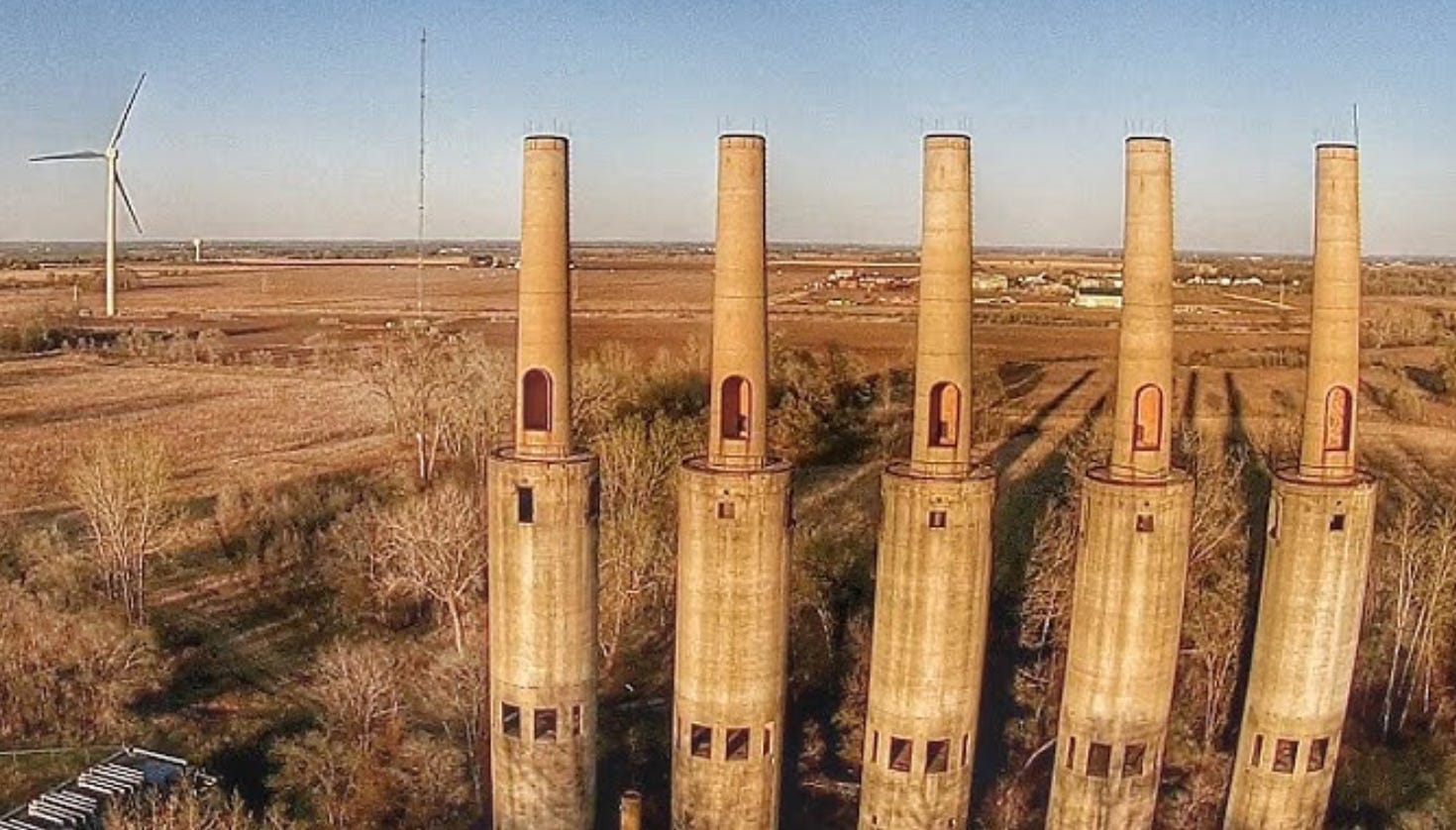
Simultaneously, there have been calls to preserve remnants of the GOW, such as the distinctive T-wall structures, as historical landmarks. Some advocate for transforming parts of the site into a state park to honor its wartime significance, while others argue for integrating preservation within the broader redevelopment plans.
The Gopher Ordnance Works site encapsulates a complex narrative of wartime urgency, post-war adaptation, environmental challenges, and contemporary debates over preservation and development. As Rosemount continues to evolve, balancing these facets remains a central concern for the community and stakeholders involved.


For decades, there were three sets of five smokestacks visible from US highway 52. They began to disappear about twenty years ago, and they are now all gone.