
Minneapolis Mobster David Berman: The Forgotten Fixer Who Shaped the Underworld
He wasn’t a showman like Siegel or Capone. He was a fixer. A strategist. And in cities like Minneapolis and Las Vegas, he shaped the rules of the game

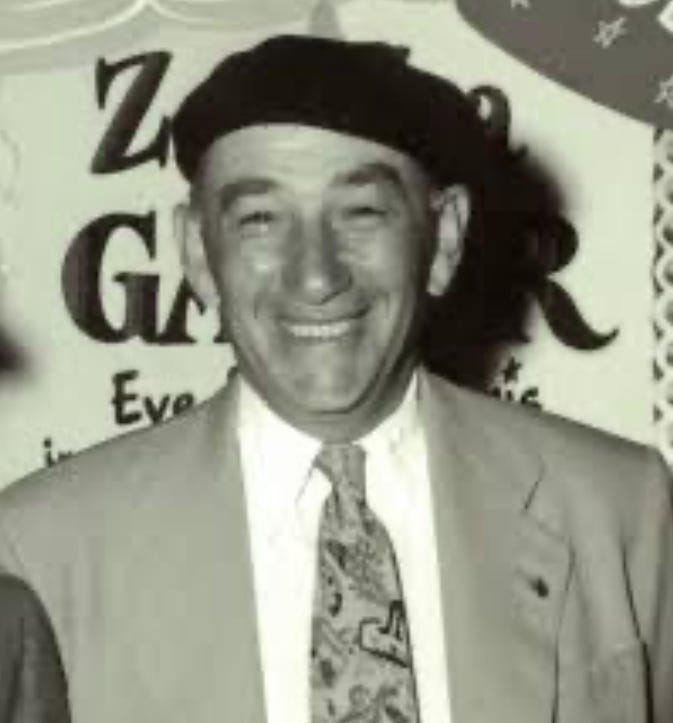
David Berman doesn’t get the same attention as Meyer Lansky or Bugsy Siegel, but he played a serious role in the American underworld. Born in Odessa, Ukraine, in 1903 and raised in Sioux City, Iowa, Berman was a Jewish mobster who carved out a brutal legacy in Minneapolis before moving west and helping build the Las Vegas we know today.
Minneapolis: A One-Man Racket
By the 1930s, Berman had become the top Jewish mobster in Minneapolis. He muscled his way into illegal gambling, extortion, and bootlegging—often using violence to stay on top. One of his main rackets was the "big store" con, where high-rollers were fleeced in elaborate fake betting parlors.
But Berman’s biggest move came in the early 1940s when he helped drive out the corrupt mayor Marvin “The Shakedown Artist” Kline. Berman and allies backed reform candidate Hubert Humphrey, who later became a U.S. senator and vice president. It was one of the rare times a mobster helped clean up a city—only because it suited his business interests.
Vegas Hustler
In the mid-1940s, Berman followed the money to Las Vegas. There, he joined forces with Bugsy Siegel in developing the Flamingo Hotel. After Siegel was gunned down in 1947, Berman and other mobsters divided control of Las Vegas operations. He ran the Flamingo with a steady hand and made it profitable, proving that he wasn’t just muscle—he had business sense too.
A Violent End
In 1957, Berman died during what should have been a routine surgery in Las Vegas. Some say it was a botched operation. Others suspect mob foul play. Either way, his death ended one of the more under-the-radar careers in organized crime.
Why He Matters
David Berman represents the quieter side of the mob—less flash, more control. He wasn’t a showman like Siegel or Capone. He was a fixer. A strategist. And in cities like Minneapolis and Las Vegas, he shaped the rules of the game.
I’ve said it before. Grandpa Charlie knew people.