
Minnesota Correctional Facility – St. Cloud
In the late 19th century, Minnesota recognized the need for a facility that bridged the gap between juvenile reformatories and maximum-security prisons

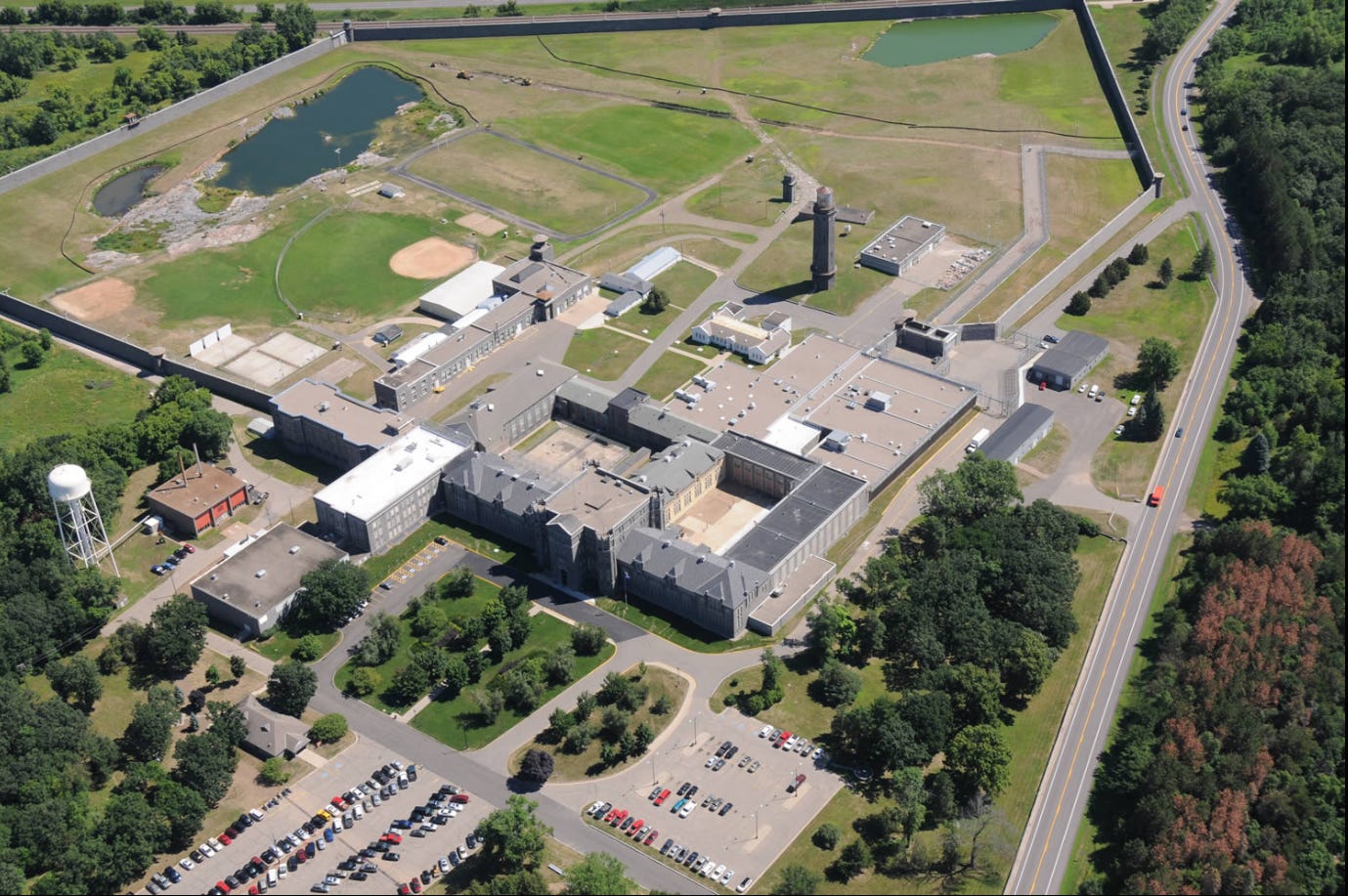
The Minnesota Correctional Facility – St. Cloud (MCF-St. Cloud) stands as a formidable testament to over a century of correctional history, architectural ambition, and evolving penal philosophy. Established in 1889 as the Minnesota State Reformatory for Men, this institution has played a pivotal role in the state's approach to incarceration and rehabilitation.
Origins Rooted in Reform
In the late 19th century, Minnesota recognized the need for a facility that bridged the gap between juvenile reformatories and maximum-security prisons. MCF-St. Cloud was conceived to house first-time male offenders aged 16 to 30, emphasizing rehabilitation over punishment. The location in St. Cloud was strategic, leveraging nearby granite quarries to provide inmates with labor opportunities and to supply materials for constructing the prison itself.
Architectural Significance
The prison's design showcases Romanesque and Tudor Revival styles, with notable contributions from architects J. Walter Stevens and Clarence H. Johnston Sr. Inmates themselves quarried the granite and constructed many of the buildings, including the imposing 1.5-mile-long, 22-foot-high wall completed in 1916. This wall is often cited as the longest continuous granite wall in the U.S., second only to the Great Wall of China.
Evolution Over Time
Originally focused on vocational training, the facility offered programs in construction, manufacturing, printing, and agriculture. Inmates operated a farm from 1923 to 1956, and additional prison camps extended these efforts until 1958 . Over time, the institution's role shifted. In 1996, MCF-St. Cloud became the intake center for all adult male offenders in Minnesota, responsible for assessment and classification before transferring inmates to other facilities.
Contemporary Operations
Today, MCF-St. Cloud houses approximately 1,000 inmates and continues to serve as the primary intake facility for the state's male prison population. While many of its original vocational programs have been phased out, the prison maintains unique offerings, such as masonry and barber training. The facility also provides educational programs and chemical dependency treatment.
Challenges and Reflections
Life inside MCF-St. Cloud has not been without challenges. Over the years, the facility has experienced riots and escapes, prompting changes in policies and security measures . More recently, personal accounts have shed light on the harsh realities of incarceration, highlighting issues such as overcrowding, inadequate climate control, and the psychological toll on inmates.
A Living Monument
MCF-St. Cloud remains a significant fixture in Minnesota's correctional landscape. Its towering granite walls and historic architecture serve as a reminder of the state's evolving approach to justice and rehabilitation. As the facility continues to adapt to modern correctional needs, it stands as both a symbol of past reform efforts and a subject for ongoing discussions about the future of incarceration.


