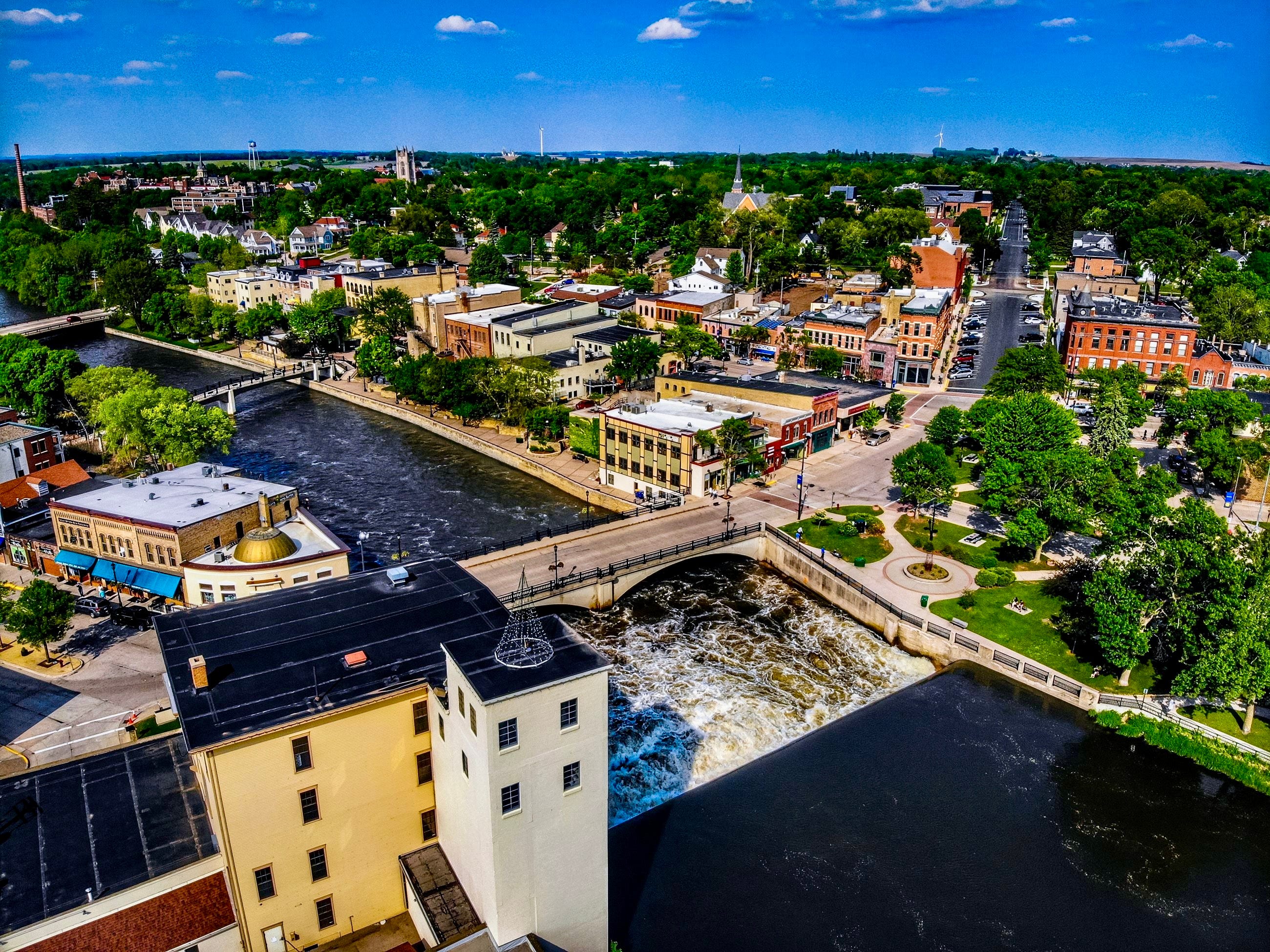
Northfield
Northfield has a rich and unique history shaped by agriculture, education, and one of the most famous failed bank robberies in American history

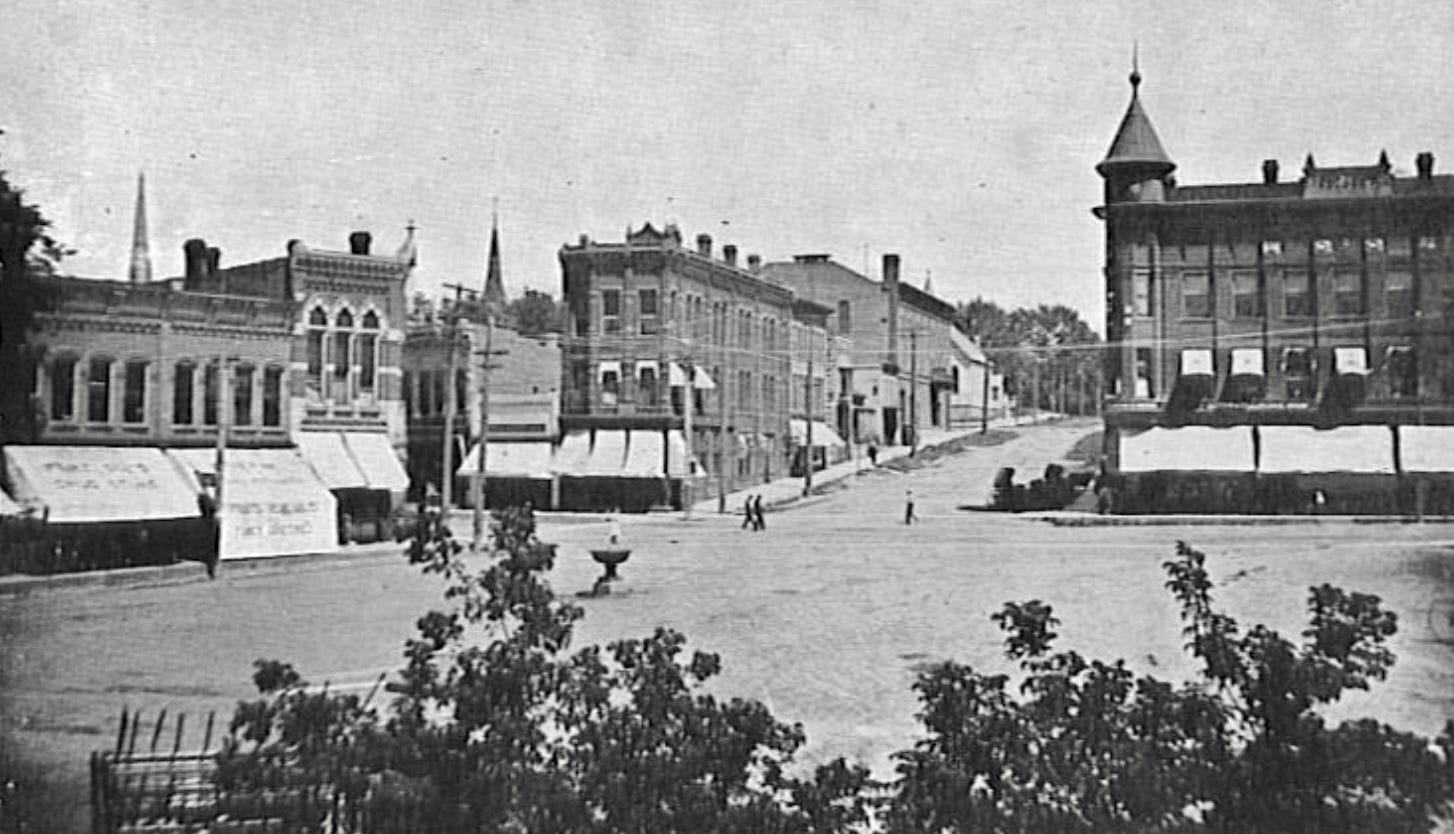
Northfield, Minnesota, has a rich and unique history shaped by agriculture, education, and one of the most famous failed bank robberies in American history. Here’s an overview:
🏞️ Founding and Early Growth (1850s–1870s)
Founded: Northfield was established in 1855 by John W. North (after whom it's named) and other settlers along the Cannon River.
Early economy: It developed as a milling and farming community, using water power from the Cannon River to support flour and sawmills.
The fertile land of southern Minnesota drew settlers, and wheat became the dominant crop.
🎓 Education and Institutions
Carleton College was founded in 1866 by Congregationalists from Massachusetts. It quickly gained a reputation for academic excellence.
St. Olaf College, established in 1874 by Norwegian Lutheran immigrants, became a cultural and religious center for Scandinavian-Americans.
These two colleges helped shape Northfield into a town with strong educational and cultural values.
🔫 The Jesse James Gang Robbery (1876)
Northfield is perhaps most famous for the failed bank robbery by the James-Younger Gang on September 7, 1876.
The gang targeted the First National Bank of Northfield, thinking it held significant railroad and industrial funds.
Citizens quickly mobilized—local townspeople fought back with guns and drove out the gang.
Two robbers were killed on the spot; several others were captured later after a long manhunt.
This event is still commemorated with the annual Defeat of Jesse James Days, a town festival with reenactments and celebrations.
🏘️ 20th Century to Present
Northfield gradually evolved from an agricultural town to a college and commuter town with a mix of small businesses, art, and education.
The downtown has maintained its 19th-century charm, with preserved buildings and a strong historic identity.
In recent decades, the town has seen population growth and suburban development, especially due to its proximity to the Twin Cities (~40 miles south of Minneapolis–Saint Paul).
🧭 Key Themes in Northfield’s History
Agricultural roots: Especially wheat and dairy farming.
Progressive education: Home to two nationally recognized liberal arts colleges.
Community spirit: The town’s quick action against the James gang became a defining moment.
Scandinavian and New England influence: Seen in the town’s architecture, churches, and cultural institutions.