
Six Mile Creek
Six Mile Creek is appreciated for its natural beauty and recreational opportunities

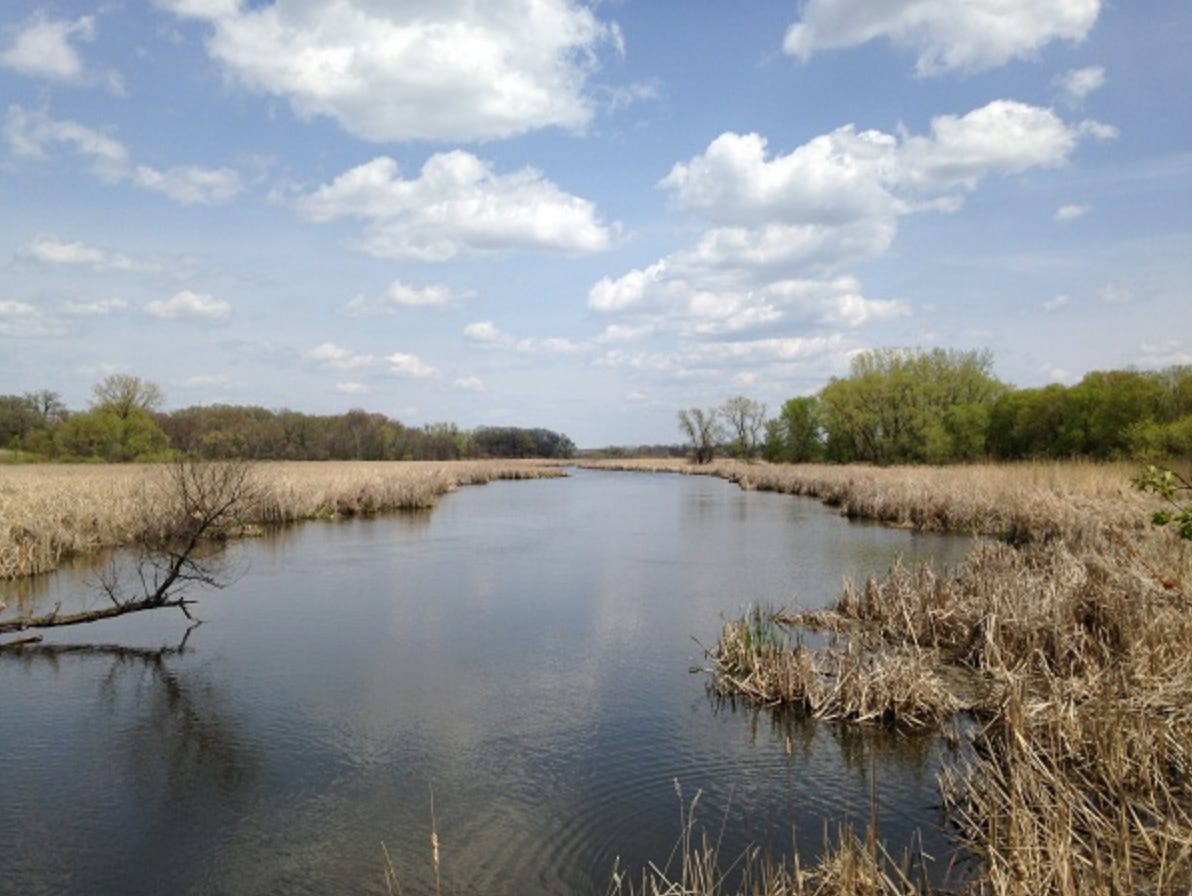
Six Mile Creek flows into Halsted Bay on the western edge of Lake Minnetonka. It has a rich history intertwined with the region's early transportation and logging industries.
🪵 Logging and Water Transport
In the 19th and early 20th centuries, Minnesota's vast forests fueled a booming logging industry. Waterways like Six Mile Creek were essential for transporting logs from remote timber areas to sawmills. The creek's connection to Lake Minnetonka allowed logs to be floated downstream, eventually reaching larger markets via the lake's outflow into Minnehaha Creek and the Mississippi River. This method of log transportation was common in Minnesota, where water routes often provided the only access to forested regions.
🚢 Lake Minnetonka's Maritime History
Lake Minnetonka, fed by Six Mile Creek, became a hub for steamboat traffic in the late 19th century. Paddle-wheeled steamships transported passengers and goods between lakeside communities, resorts, and the Twin Cities. The lake's complex shoreline made land transportation challenging, so boats were a practical solution for connecting the area.
🛤️ Transition to Railroads
As railroads expanded in Minnesota, they began to supplant waterways as the primary means of transporting goods and people. The development of rail lines reduced the reliance on creeks and rivers for shipping, leading to a decline in water-based transportation on routes like Six Mile Creek. However, the creek's historical role in the region's transportation network remains a testament to its importance during a formative period in Minnesota's development.
Today, Six Mile Creek is appreciated for its natural beauty and recreational opportunities. While it no longer serves as a transportation artery, its historical significance endures, reflecting a time when Minnesota's waterways were vital conduits for commerce and communication.