
The Minnesota Territorial Prison
Established in 1853, during Minnesota’s territorial period (before it became a state in 1858). It was located in Stillwater on the banks of the St. Croix River

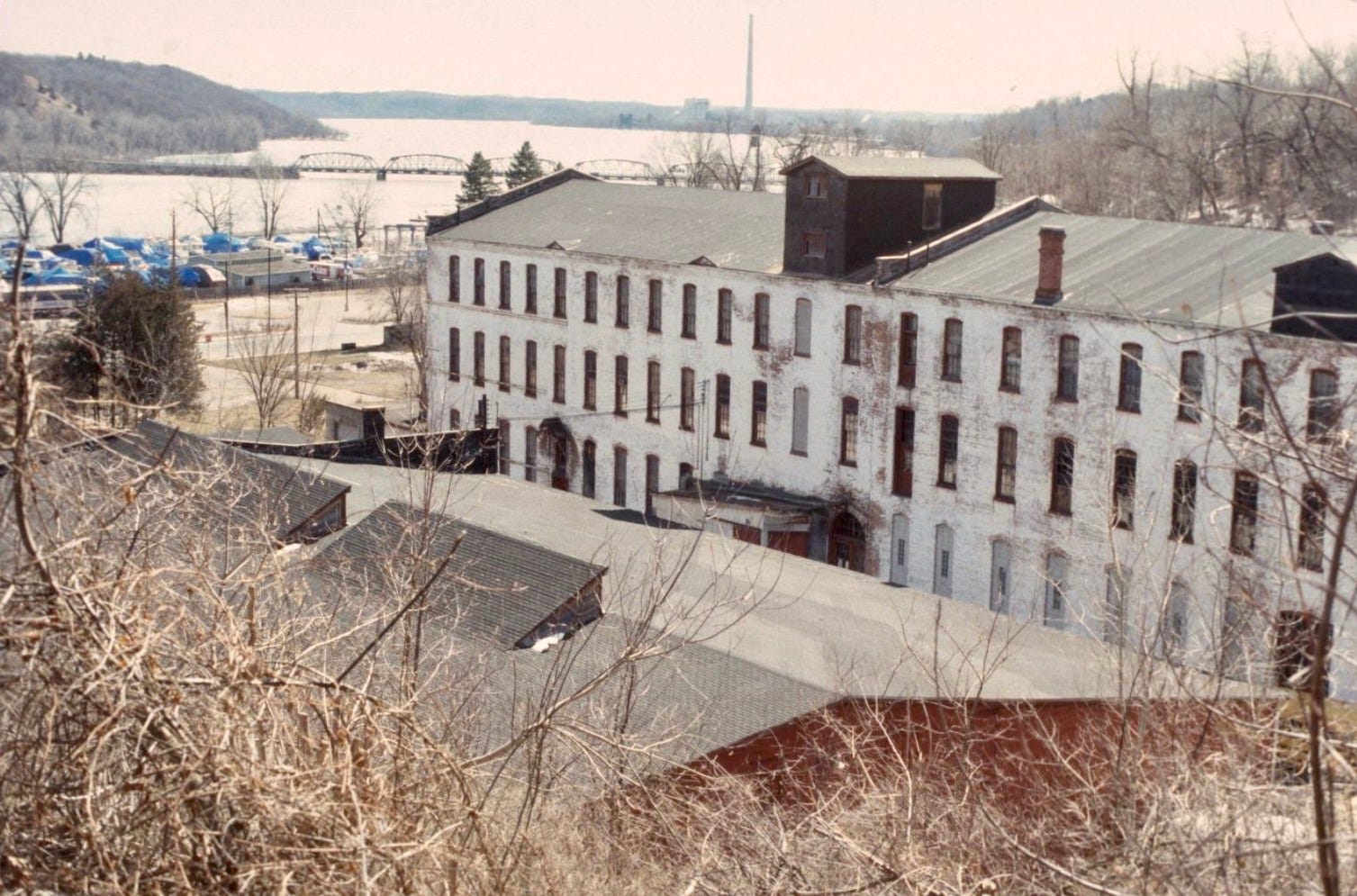
The Minnesota Territorial Prison was established in 1853, during Minnesota’s territorial period (before it became a state in 1858). It was located in Stillwater, Minnesota, on the banks of the St. Croix River. The choice of Stillwater was due to its central location and access to river transport, which made it easier to supply and operate the prison.
The prison was built to house convicted criminals under territorial law. It was Minnesota’s first formal correctional facility and was designed for long-term incarceration, including those serving hard labor sentences.
The original facility was built mostly by inmate labor, including stone and timber construction. Prisoners worked on quarrying stone, farming, and other labor projects. Conditions were harsh by modern standards, with strict discipline and a focus on hard work as punishment and rehabilitation.
When Minnesota became a state in 1858, the territorial prison became the Minnesota State Penitentiary, operating as the primary penal institution for the state. Over time, the facility expanded, with additional cellblocks and workshops to accommodate growing prison populations.
The Minnesota State Prison in Stillwater operated for more than a century before closing in 1914, replaced by a newer prison facility in Bayport, Minnesota. The old prison cellblocks and most other buildings were demolished in 1936. Prisoners still made twine at the prison factory into the 1970’s.
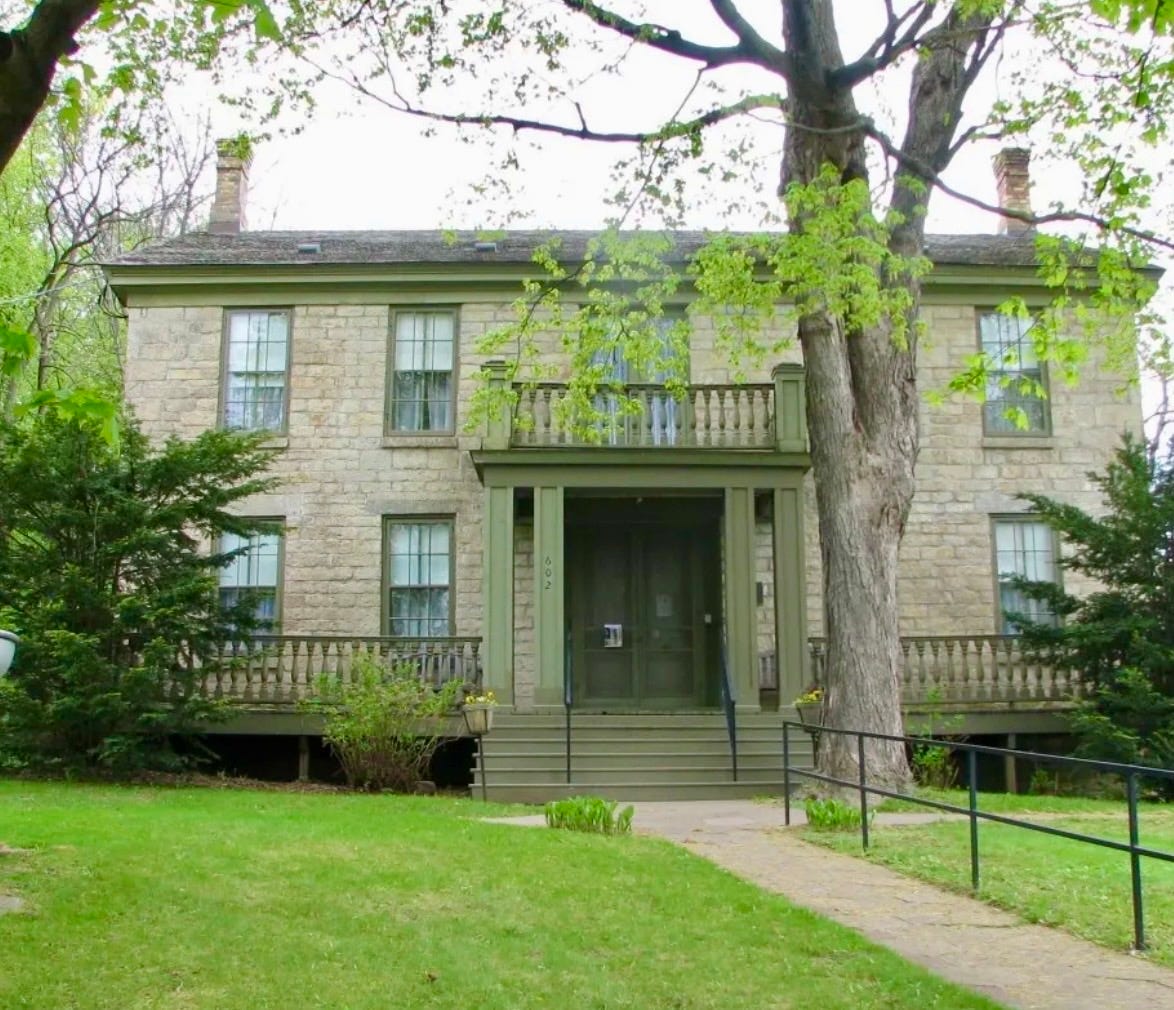
In 2002 an arsonist burned the prison factory and warehouse, leaving only the warden’s residence remaining, and that is a prison museum today.


1853 to 1914 is 61 years, not “… more than a century.”