Minnesota Democrats Failed Moral Leadership—Voters Should Take Note
After growing public scrutiny, Klobuchar condemned the posts as “outrageous”

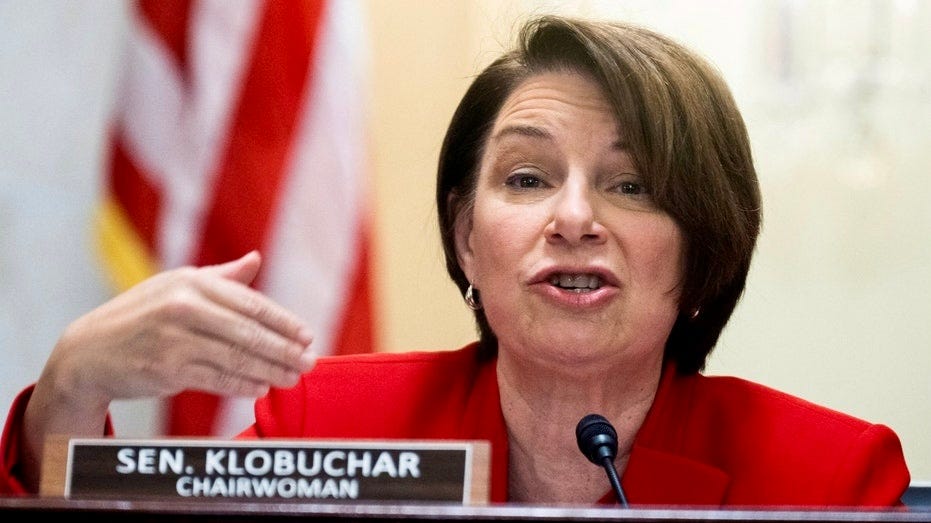
In Minnesota, political expediency once again trumped principle. For days, Democrat leaders—including prominent figures like Senator Amy Klobuchar—stayed silent while campaign staffers for Minneapolis mayoral candidate Omar Fateh publicly praised Hamas and questioned Israel’s right to exist. Silence in the face of extremism is not neutral; it is a choice—and in this case, it revealed a disturbing tolerance for radical rhetoric.
Finally, after growing public scrutiny, Klobuchar condemned the posts as “outrageous” and said they “have no place in our politics.” But her delayed response underscores a troubling pattern: when Democrats are confronted with extremism within their own ranks, they hesitate, calculate, and weigh optics before moral clarity. Minnesota voters should ask themselves: what message does that send? That political loyalty outweighs basic decency? That extremism can be ignored if it serves party interests?
Fateh’s staffers are not anonymous bystanders—they are the public face of his campaign. Their statements praising a terrorist organization and minimizing documented atrocities during the October 7 attacks reflect either appalling judgment or tacit acceptance. A “Jews for Fateh” fundraiser does not erase the reality that his team actively endorsed rhetoric that should be universally condemned.
Governor Tim Walz and other Democrat leaders have also largely remained silent, highlighting a systemic problem within the party: the prioritization of politics over principle. Voters deserve leaders who act decisively against hate, regardless of party affiliation or electoral consequences. Hesitation in these moments erodes trust and signals that extremism is tolerated when convenient.
This episode is a warning. Republicans have consistently argued that moral clarity and accountability are nonnegotiable in public life. Minnesota Democrats’ delay in condemning Hamas sympathizers within their own campaign demonstrates a failure to uphold these standards. Leadership is not measured by political survival—it is measured by the courage to do what is right, even when it is unpopular.
Minnesota voters now face a choice: endorse a party that hesitates when confronted with extremism, or demand leaders who place principle above politics. Silence is not neutral. It is complicity. And in politics, complicity has consequences at the ballot box.